Mold Control in Essex County, NJ
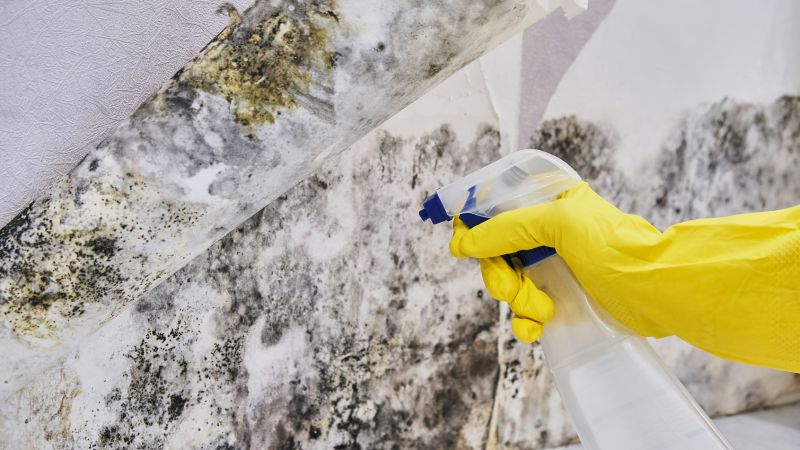
Mold control services focus on identifying, removing, and preventing mold growth within residential properties. These services typically address issues such as excess moisture, water leaks, poor ventilation, or high humidity levels that can lead to mold development on surfaces like walls, ceilings, and basements. Projects may include mold inspection, surface cleaning, remediation, and moisture management to ensure a healthier indoor environment. Property owners often want to understand the extent of mold presence, the potential health impacts, and the steps involved in effectively eliminating mold from their homes.
Before requesting mold control services, homeowners should consider the location and size of the affected areas, as well as any visible signs of mold or musty odors. It’s helpful to know if there has been recent water damage or ongoing moisture issues, which can contribute to mold growth. Clarifying concerns about health effects or sensitivities can also guide the scope of the project. Having this information ready can assist in determining the most appropriate approach to maintaining a safe and mold-free living space.
Many property owners in Essex County, NJ look into Mold Control for repairs, replacements, upgrades, and appearance-related improvements.
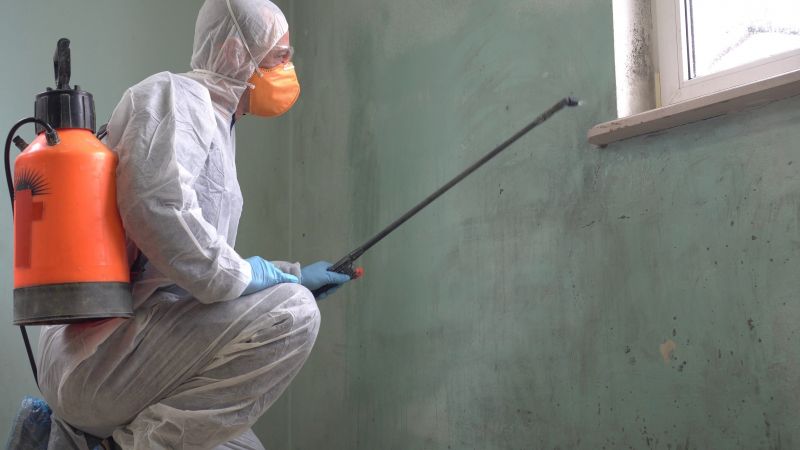
Mold Prevention Strategies
Implementing proper ventilation and moisture control helps prevent mold growth in homes and commercial properties.
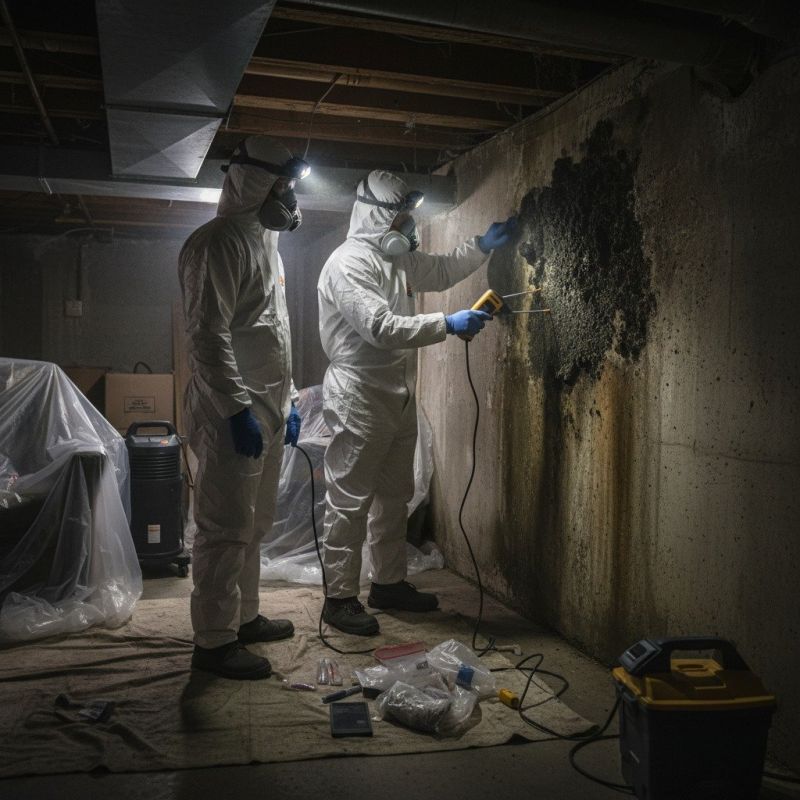
Signs Of Mold Presence
Visible spots, musty odors, and recurring allergies can indicate hidden mold issues in essex county residences.
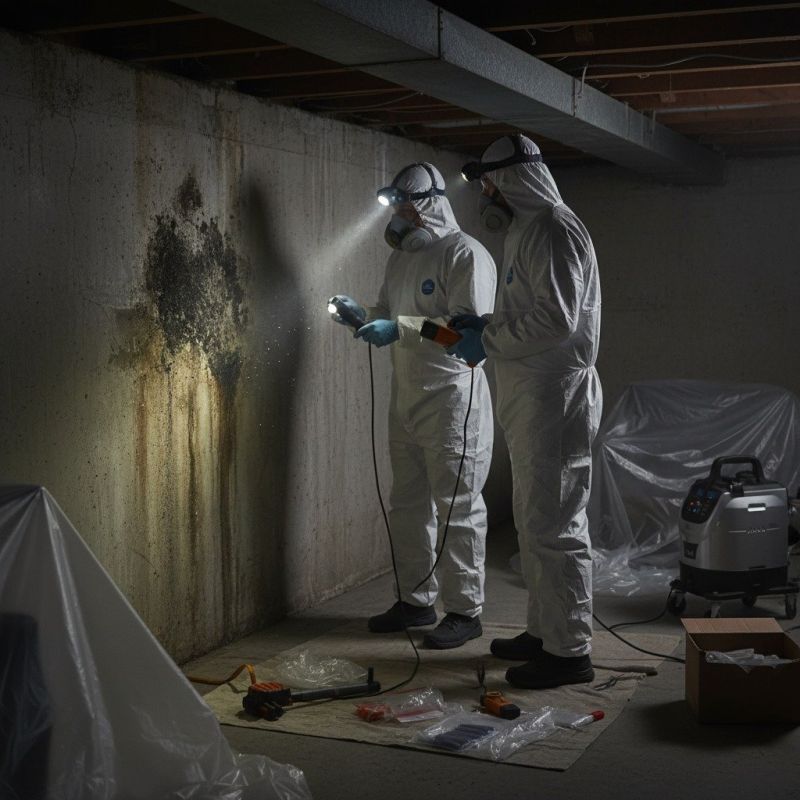
Mold Remediation Solutions
Effective mold control involves thorough cleaning, moisture elimination, and sometimes structural repairs to restore safety.
Mold Control in Essex County, NJ

Mold control services focus on identifying, removing, and preventing mold growth within residential properties. These services typically address issues such as excess moisture, water leaks, poor ventilation, or high humidity levels that can lead to mold development on surfaces like walls, ceilings, and basements. Projects may include mold inspection, surface cleaning, remediation, and moisture management to ensure a healthier indoor environment. Property owners often want to understand the extent of mold presence, the potential health impacts, and the steps involved in effectively eliminating mold from their homes.
Before requesting mold control services, homeowners should consider the location and size of the affected areas, as well as any visible signs of mold or musty odors. It’s helpful to know if there has been recent water damage or ongoing moisture issues, which can contribute to mold growth. Clarifying concerns about health effects or sensitivities can also guide the scope of the project. Having this information ready can assist in determining the most appropriate approach to maintaining a safe and mold-free living space.
Many property owners in Essex County, NJ look into Mold Control for repairs, replacements, upgrades, and appearance-related improvements.
Common Mold Control Jobs
Mold Remediation - removal of existing mold growth from indoor surfaces and materials.
Moisture Control - identifying and reducing sources of excess humidity that promote mold growth.
Attic and Basement Mold Treatment - addressing mold issues in often damp, hard-to-reach areas of the home.
HVAC Mold Prevention - cleaning and maintaining ductwork to prevent mold spores from circulating.
Surface Cleaning - disinfecting walls, ceilings, and other surfaces affected by mold.
Mold Inspection - thorough assessment to detect hidden mold and moisture problems.
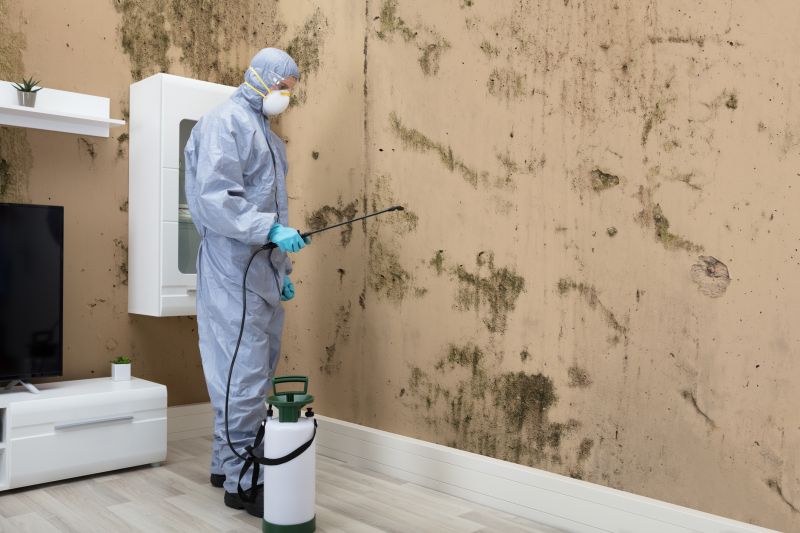
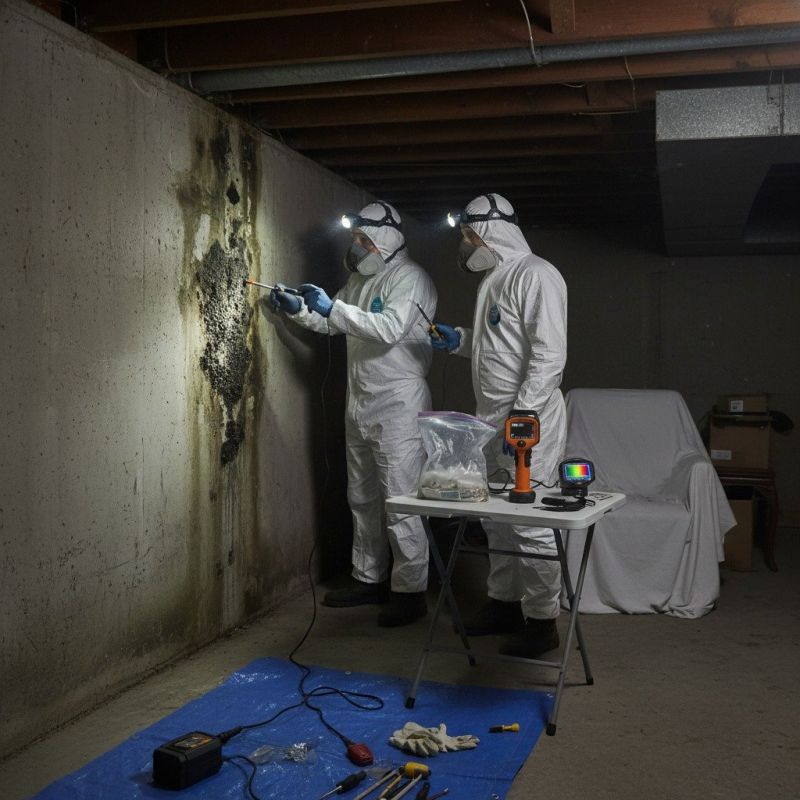
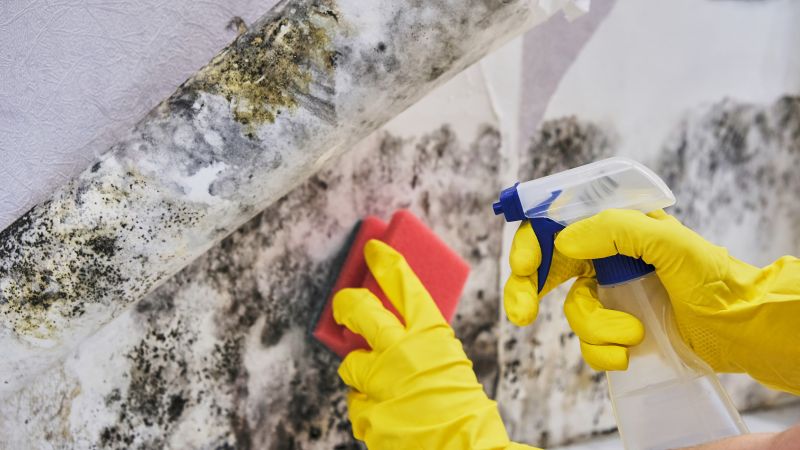
Mold Control Questions
What causes mold growth in homes? Mold can develop due to excess moisture from leaks, high humidity, or poor ventilation inside a property.
How can mold affect health? Exposure to mold may cause allergic reactions, respiratory issues, and other health concerns, especially for sensitive individuals.
What areas are most at risk for mold? Common locations include bathrooms, basements, kitchens, and areas with water damage or poor airflow.
What steps are involved in mold control? The process typically includes identifying moisture sources, removing mold-affected materials, and applying treatment to prevent future growth.
Request Mold Control in Essex County, NJ
Use the quote form on this page to share the basics of your project and request more information for the type of work you need.